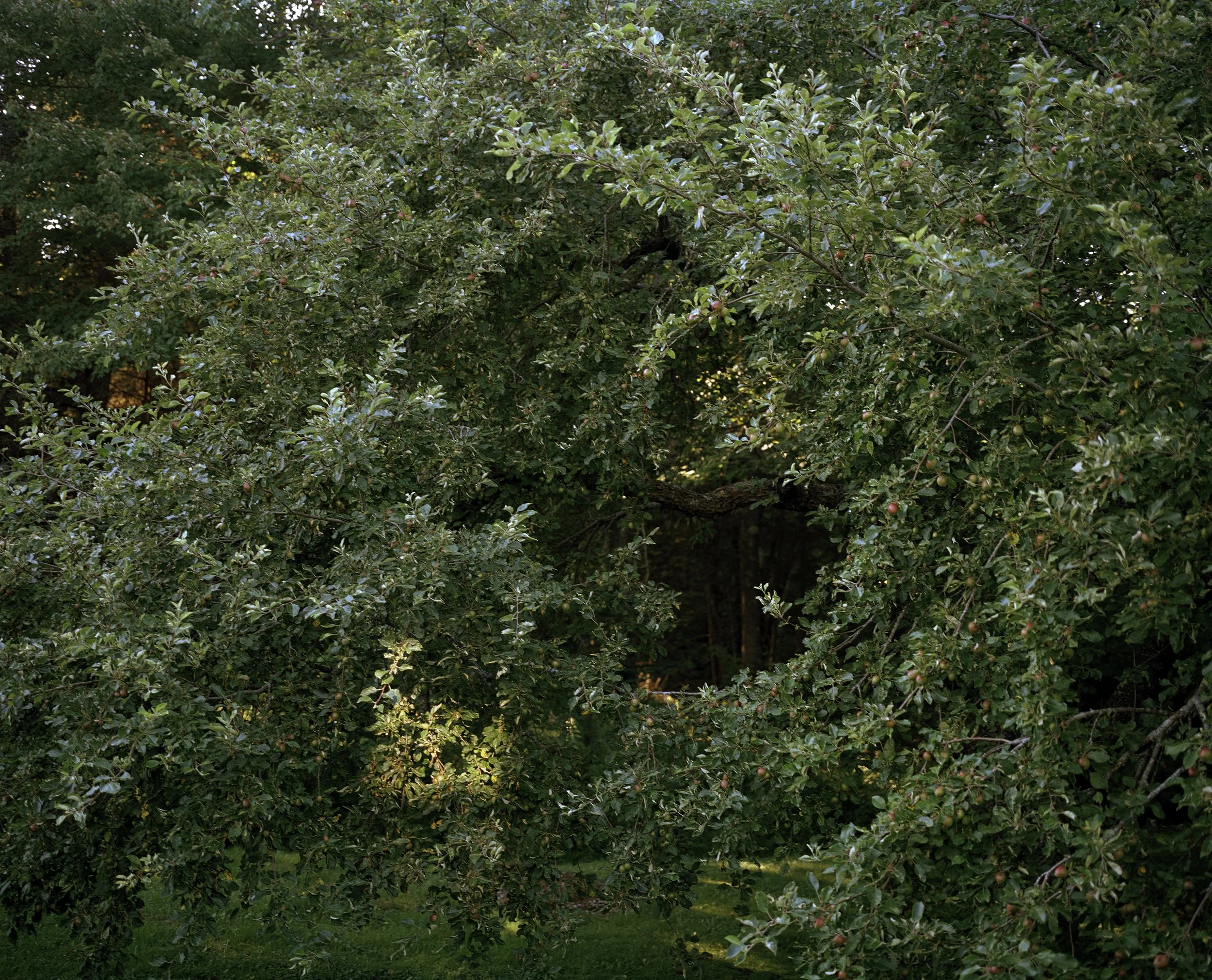
Plant Planning

Today was an unexpected free day, like a snow day—but without the deluge that folks further south are still shoveling.  Naturally, I spent it poring over seed catalogs, planning for spring.  In some ways, this is my favorite moment in the garden—the one when every seed still has the chance to come to fruition, when I haven’t fallen behind on weeding, when the slugs have not come, the deer have not browsed, the blight is a distant (albeit not quite distant enough!) matter.  The garden is still the Platonic ideal of A Garden, pure potential, like seeds themselves.

In this moment, the garden is always also much, much larger than it will be once the seeds are planted.  Somehow, I persuade myself that we’ve room for not only all the usual veggies, but also wheat and corn and melons—each of which demands a fair bit of space.  My choices are dictated by whether something will grow in a zone five garden, by what we like to eat, by the ineffable something that makes one plant’s name stand out over another’s—though, seriously, how am I supposed to choose between Sumptuous corn and Luscious corn??  I also choose in ways that help maintain biodiversity.  Keeping lots of heirlooms in production and supporting small seed saving enterprises helps to hold monoculture at bay for another day.

And ‘cause I’m me, this way of choosing has seemed completely sensible, seemed patently (oh, how awkward) right.  So it was eye-opening to have lunch last Friday with two landscape architects whose way of thinking about plant selection took so much more into account.  They care deeply about biodiversity and plant quality and ensuring that good plant companies thrive, but in such a different way.  They see the relationships between plants visually and horticulturally, and can intuit the changing look of a garden or yard both throughout seasons and over decades.  They also cherish biodiversity, but not nearly so abstractly.  Maximizing it means there will continue to be plenty of options for relationships among plants.  It means something is likely to thrive no matter what weird weather we get in a given year.  And while they take taste and other human preferences into account, that’s not the ultimate concern.  Rather, their ultimate attention is to place—to the ever-changing relationships between plants, site, weather, light—to the whole they can help craft.

My narrower vision is, in part, because most of my plants stay just one season.  I’m like a painter who re-gessoes her canvases every fall, leaving only a faint trace of that year’s efforts in evidence.  They are like the Starn Twins, directing Big Bambú.  Or, come to think of it, maybe the Starn Twins are more like them…

Posted on February 8, 2010 at 6:29 pm by margot · Permalink
In: Text · Tagged with: , , , ,

One Response

Subscribe to comments via RSS

  1. Written by Lisa Martin
    on February 22, 2010 at 10:03 pm
    Permalink

    I see you’re doing a little planting today. May your seeds mature.

Subscribe to comments via RSS

Leave a Reply

Powered by WP Hashcash