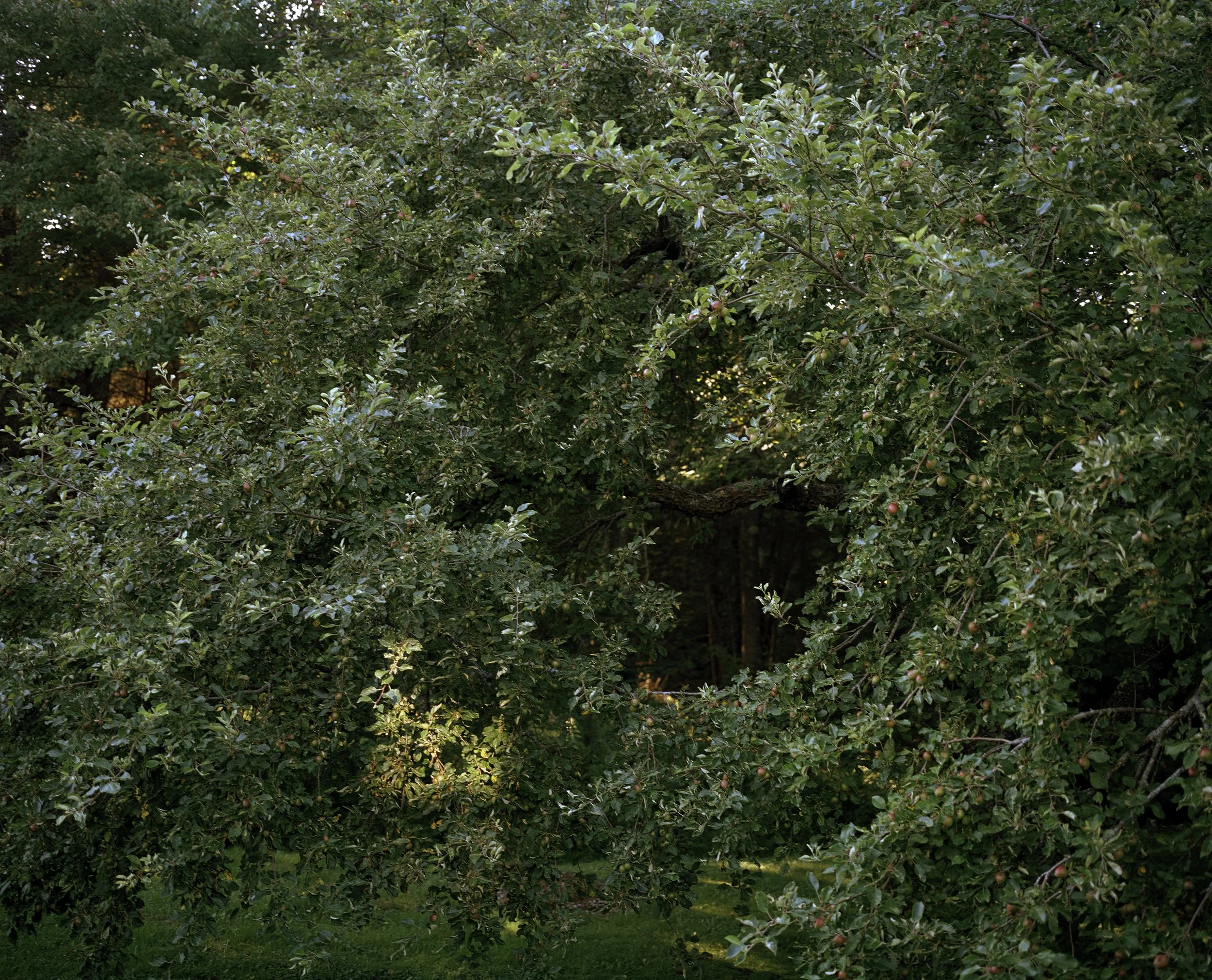
N 45° 56.108 W 123° 59.020
from Local Treasures

N 45° 56.108 W 123° 59.020
Ecola State Park in Oregon includes lush forests and breathtaking cliffs overlooking beaches bejeweled by jutting basalt rocks. The day before Rob and I came here, we’d been part of a crowd gathered on one of those beaches to celebrate my brother Larry and my friend Lyssa getting married.
Sudden showers send us searching for shelter, so Rob and I read the park brochure before embarking on the Clatsop Loop Trail. Point of interest #6 on the trail, “The Cycle of Life,” notes that when a Sitka spruce tree falls, the slowly decaying trunk becomes a home first to myriad bacteria and insects, later to animals, and finally to new trees—a process known as “nutrient cycling.” What amazes me about these nurselogs is their longevity; according to the brochure, “Some trees can last just as long in the forest dead as they did alive,” which is, on average, 700-800 years. The brochure also describes Lewis and Clark arriving here two hundred years ago; they’d just succeeded in finding a route to the Pacific, though not the easily navigable Northwest Passage they’d hoped for. What brought them to this precise spot was a beached whale; when they heard about it, they hoped it might provide culinary variety. With them were Toussaint Charbonneau and Sacagawea, a young Shoshone woman whom he had taken as his wife. The excerpt from Lewis’s journal says Sacagawea was keen to see the ocean for the first time, while Clark’s journal says he named the creek here Ecola, after the Chinook word ekkoli, whale. When they reached the actual whale, they found it quite decayed—no good for meat, but okay as a source of blubber and oil. My sister had recounted that linguistic history the day before. I feel suddenly sure she learned it from the same brochure, and vaguely sad that though we chose the same spot to hike, we came a day apart. I brush away a worry that this near-miss means something, think instead of the story I had told Gina, in turn, about Sacagawea and how she’d been indispensable to the Corps of Discovery’s mission. Sacagawea spoke Shoshone and Hidatsa; Charbonneau spoke Hidatsa and French. And Francois Labiche, one of the Corps members, spoke French and English. Only thanks to this elaborate relay team had the English-speaking Lewis and Clark been able to negotiate with northwestern tribes.
That tale of collaboration knocks me out. I find their resourcefulness inspiring, but also humbling. It’s sobering to think we humans must work so hard to approximate the kind of mutuality a forest exhibits in every instant. Which, come to think of it, is probably a big part of what makes us so emotional at weddings. For they are a moment when we bear witness to people vowing cooperation, rejoicing in connection; in the suffusion of new love, sometimes we can sense that timeless unity.
Subscribe to this blog (RSS)