Local Treasures
The Book
Local Treasures: Geocaching across America
Center for American Places/University of Chicago Press, 2005
Local Treasures: Geocaching Across America documents my on-going forays into the world of/through geocaching. While the introduction explores the cultural significance of the game, the body of the text explores the personal significance—both for me and for the players whose geocaches I have had the chance to visit.
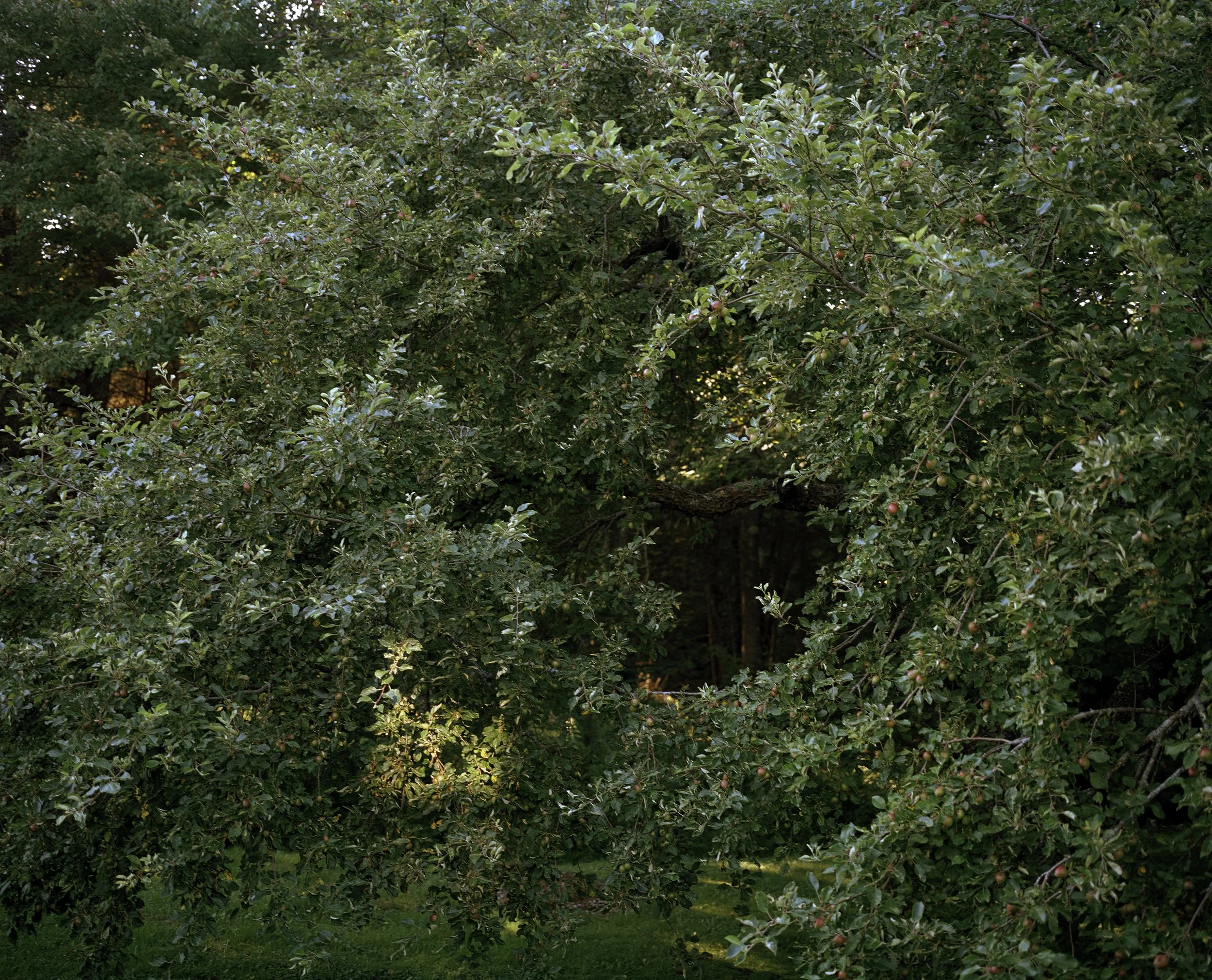
The photographs offer an unusual glimpse of the landscape, of place profoundly democratized by creative players: these spots are among the many thousands chosen, by people whom I will likely never meet, to share with me and with other strangers. The locations may have been selected because they are beautiful, or funny, or important. Perhaps they are simply the most pleasing spot near that person’s home. Whatever the reason, these places are a cross-section of the world where we live now, our ordinary environment charged with significance for and by the individuals who singled out these spots among all others. Coupled with the photographs are lyrical vignettes, stories prompted by my visits to these varied sites. About surveillance or transcendence, about getting lost or learning to notice, the stories map the imaginative universe I wandered while walking to and from the geocaches others hid.
Order the book from University of Chicago Press or from Amazon.com
Local Treasures: The Project

In May 2000, a game that involved using military technology to enhance walking and hiking was invented. Participants in this activity, called “geocaching,” hide and seek containers filled with toys on public lands. They post the latitude and longitude to the group’s website (www.geocaching.com), and invite others to find the containers, trade toys, and leave notes. People are able to find the locations by navigating with a GPSr, a global positioning satellite receiver.
When I heard about the game, less than two years after its inception, 17,000 of these geocaches had already been hidden in over 50 countries. I was amazed, instantly certain that this game was culturally important. What did it mean that people would hide treats in the woods for strangers to find? What made others willing to trek in unfamiliar places to locate these caches? What kinds of places were people sharing? Did those places reveal anything about the players? The culture? The kind of public land we still have left? What would America look like when mapped by thousands of individuals who are highlighting their own preferred places—rather than by the Department of Transportation, or Rand-McNally, or the local tourist bureau?
I immediately purchased a GPS and began to play. I wanted to document the locales visually while also exploring the ideas and questions the game evoked. Since then, I’ve photographed many geocache-laden places—primarily in the United States, but also in Europe. I’ve also left disposable cameras in caches when they are large enough to hold one, with a note asking visitors to make some pictures and send the camera back to me (I leave a mailer) when the roll is completed. I’m heartened to say that many, many cameras have come back—filled with pictures of the players, of their dogs, of some detail in the place they feel inclined to photograph.
Today, there are over 150,000 actives caches in the world, and as many as a million players. The game grows daily in its size and variety, propelled by the creativity of players who value being outdoors, who like making and solving puzzles, and who want to share their enthusiasm with friends and strangers alike. By selecting a site on the map, you can see what a few of these places were like on the day I visited.
For more on the geocaching phenomenon, read Why_Geocaching_Now

Subscribe to this blog (RSS)